6 Ways Parents Can Encourage Healthy Sibling Relationships
Parenting

Audio By Carbonatix
By Beth Ann Baus, Crosswalk.com
Siblings hold a special place in God’s design for family. They are often our first companions, sharing childhood adventures, secrets, laughter, and of course, the inevitable conflict.
Proverbs 17:17 says, “A friend loves at all times, and a brother is born for adversity.” This truth reminds us that God created siblings not merely as roommates or rivals, but as built-in allies - people placed in our lives to stand with us through hardship, to reflect His faithful love, and to help shape us into Christ’s likeness.
Fostering healthy relationships while your children are young will help you navigate the teen years and create lifelong friendships as they become adults. Let’s explore six ways to encourage healthy sibling relationships.
1. Prioritize Quality Time
Children need time alone to be creative and use their imaginations with no feedback or input from others. They also need time alone to be bored, which often fosters their creativity and imagination.
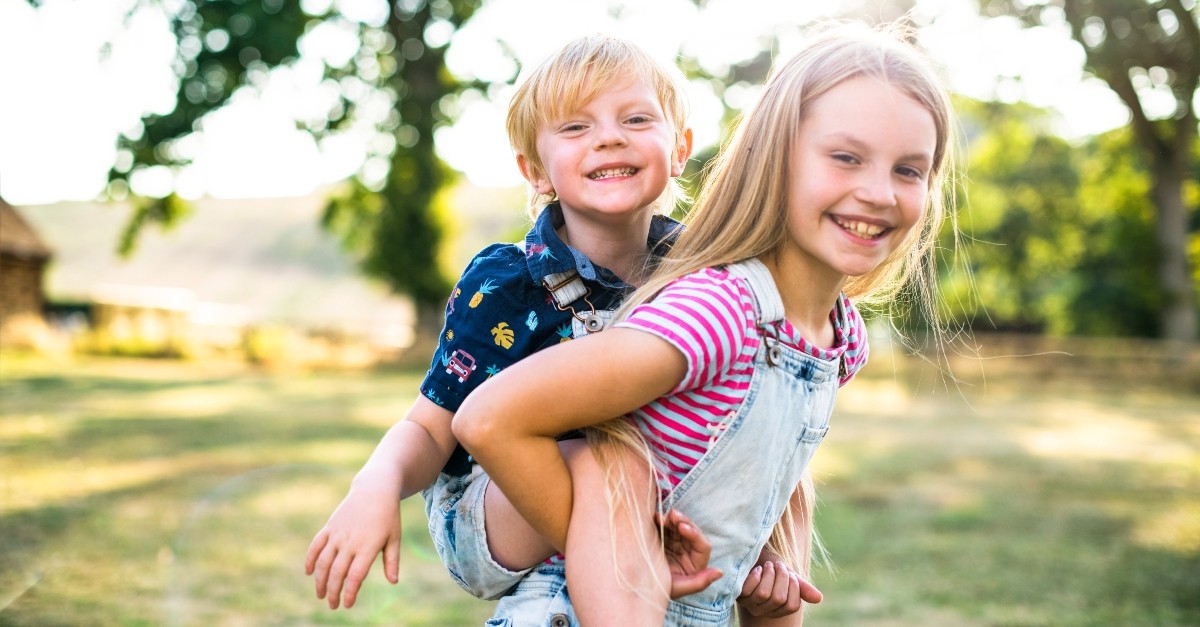
However, children also need quality time with their family. Whether you're playing games, reading a book together, or enjoying an outside activity, this gives children opportunities to see the individual personalities in each family member.
This is, in part, how children learn to appreciate the unique qualities of the people in their lives. It gives them a chance to see their parents enjoy and celebrate each member's uniqueness. And in the end, quality time is how each of us gets to know one another on a heart level, which elevates the relationship.
This also means choosing activities that highlight each child's interests and talents. If you're a sports family, for instance, and always choose sports-related family activities, this alienates the one child who isn’t sports-oriented. Rotating activities to include everyone’s interests will ensure that each child feels seen and understood.
It’s important for children to participate in activities they don’t necessarily enjoy out of love for a sibling who does. A practical way to live this out is to let the children take turns choosing the book, the movie, or the activity. This again highlights the uniqueness of each sibling.
2. Foster Open Communication
When we think about our closest friends as adults, we’ll likely realize that one thing that drew us to them is feeling safe and accepted. This is no different with our children. They will gravitate towards the people they feel safest with and accepted by.
The family unit should automatically be the place where your child feels the safest and accepted, but that isn’t always the case. Because our children have unique giftings and talents, it’s easy for one sibling to be envious of another's, causing conflict and discord.
This is where open communication can create safety and acceptance. Rather than ignoring the differences between your children, talk about them. For instance, it’s okay for one child to recognize that their sibling is better at a particular school subject, or that they have better coordination when it comes to sports or gymnastics.
It is not okay, however, for these conversations to turn into one sibling picking at, or putting down another sibling for their lack of coordination, or whatever the difference may be. These conversations should be a time to recognize and appreciate each sibling's talents.
It’s also important to have family conversations about the day. What did each person in the family consider a highlight of the day or a frustration? Allowing each family member time to talk openly will not only create safety but also give each child a window into their sibling's heart, fostering a stronger bond of understanding.
3. Model Support
Depending on how many children you have and how many activities they are involved in, modeling support might require some creativity. However, teaching your children to support one another in their youth will not only create a habit but hopefully a genuine desire that will carry over into adulthood.
For instance, if you have one child in band or choir, make sure the siblings are at as many concerts and performances as possible, even if it’s not their favorite thing. If you have a child in sports, make sure the siblings are there to cheer them on as often as possible, even if it’s not their favorite thing.
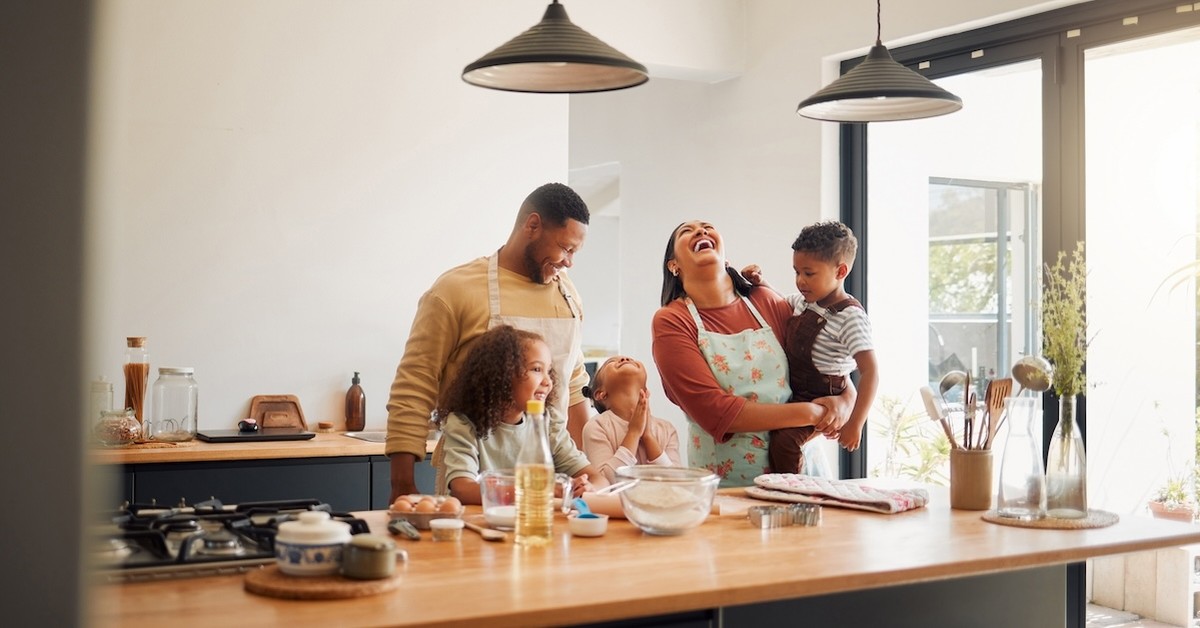
Perhaps you have a child who loves cooking and experimenting in the kitchen. Encourage all the siblings to be taste-testers and to dream about where this cooking talent could lead. If you have a child involved in Scouting, plan a family campout that allows your Scout to show their siblings what they’ve learned.
This not only teaches our children how to sit through events they don’t necessarily enjoy, but it also teaches them tolerance, respect, and self-control. As parents, we have to take an active role in teaching these lessons. Be the first to celebrate the skills of each child, and don’t participate in groaning about sitting through something that isn’t your favorite thing.
Remind each child how good they feel when they know their family is there, cheering them on and supporting them. Help them see that sitting through a piano recital isn’t about enjoying or appreciating the music; it’s about enjoying and appreciating their sibling and the things they’re interested in.
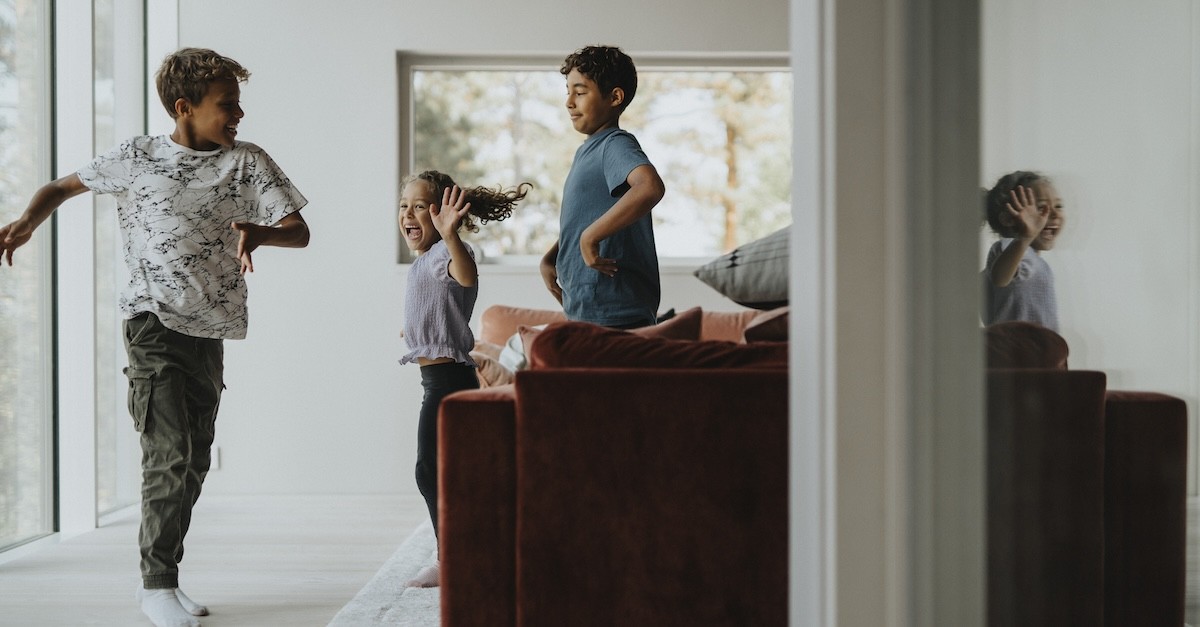
4. Teach Love and Humility
Teaching love and humility among siblings starts with the parents. As we model Matthew 22:39 to our children by loving our neighbors as ourselves, we need to explain that our family members are our closest neighbors.
This means showing the same kindness, respect, and care we’d want for ourselves. In the context of family, this counters selfishness and builds unity. Practically speaking, this might mean encouraging one sibling to complete a chore for another, or encouraging random acts of kindness based on each sibling's age and ability.
Philippians 2:3 reminds us to consider others more significant than ourselves. This again starts with parents avoiding comparisons and favoritism among the children, and celebrating each sibling’s unique God-given gifts and talents.
If your children see you getting more excited about one child's talents than another's, jealousy will grow, disunity will likely ensue, and brotherly love will be hard to foster. This requires intentionality, especially when you, as the parent, share the interests of one child over another.
It’s vital that our children see us equally excited about their unique talents and that we show no favoritism. When we, as parents, show our children equal love and humility, they will learn to show equal love and humility to their siblings.
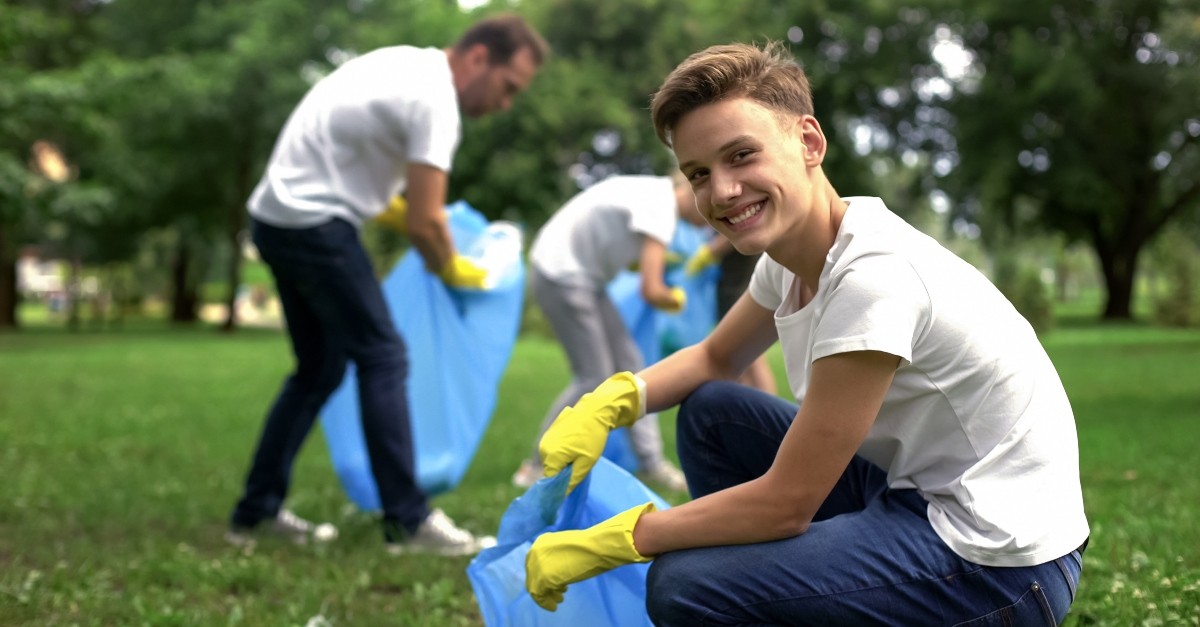
5. Build Bonds through Service
When siblings serve side by side, they practice the very principles that strengthen family bonds: putting others first, bearing one another's burdens (Galatians 6:2), and loving one another as Christ loved us (John 13:34–35).
In community projects, siblings learn to set aside "me-first" attitudes that fuel rivalry. Instead of competing for attention at home, they work together to meet others’ needs, such as delivering meals to the elderly or cleaning up a park together.
This mirrors Galatians 5:13: "Serve one another humbly in love." Over time, this shifts their mindset: siblings become teammates rather than rivals, seeing each other as partners in God's work.
When siblings volunteer at a food pantry, a nursing home, or a disaster relief effort, they witness hardship in their own community. Seeing firsthand the struggles of others creates empathy that, Lord willing, will spill over into family life, making them more patient and kind to one another.
Ephesians 4:2 says, “With all humility and gentleness, with patience, bearing with one another in love.” When we model this to our children and encourage them to live this out as siblings, the encouragement to “bear with one another” becomes real, which can reduce conflicts and cultivate appreciation and harmony.
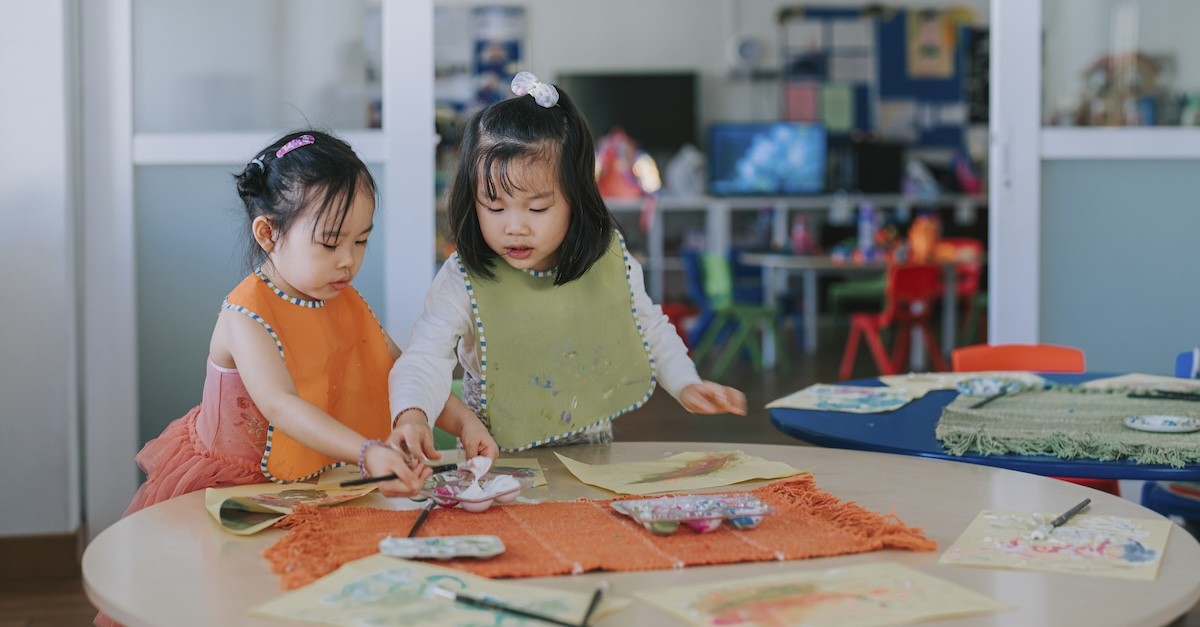
6. Cultivate Shared Faith and Purpose
Ultimately, what we want for our children is for their hearts and their sibling relationships to be transformed by the truth and power of the gospel. As we pray for the hearts of our children and for their sibling relationships, let’s remind them of why we’re here and what this life is all about.
As we navigate toddler temper tantrums, teenage angst, and all that comes in between, let us lean into our shared faith (or the faith we pray our children will one day share). For instance, prioritize corporate worship over sports and other activities. Prioritize family prayer, reading of the Word, and worship at home.
When siblings grasp that they (and their family) share the same ultimate goal—to glorify and enjoy God—they see each other as teammates, which creates a sense of "We're all here to honor God together."
Psalm 133:1 says, “How good and pleasant it is when brothers dwell in unity.” Anchoring your children in this truth will, Lord willing, create bonds that will become a testimony of God’s work, reflecting the unity in the body of Christ and blessing your home with peace.
As your children grow in their faith and mature in their knowledge and understanding of the gospel, their sibling relationships will grow and flourish, just as they will as individuals. This shared faith and purpose will follow them all the days of their lives.
Sibling relationships are God’s gift for growth, support, and reflecting His grace. Our chief purpose to glorify God and enjoy Him forever calls us to replace rivalry with unity, selfishness with service, and hurt with healing.
When siblings embrace patience, humility, and forgiveness—serving together, bearing burdens, and pointing to Christ—they testify to the gospel. Praise them when they do this well and point them to God when they fail.
Take a small step today: a kind word, shared service, or prayer. Trust God to capture your children's hearts, guide you in your parenting, and foster healthy relationships among your siblings. Be encouraged, your children are a gift from the Lord, and He desires unity for them just as you do.
Related Resource: Practical Ways to Promote Peace Between Siblings
Sibling. Rivalry. Two words that can make a mom's heart go from zero to 100 in two seconds flat. We all want our children to get along and have significant relationships with each other long after we're gone, but there are days when they're still at home that we wonder if this will ever happen! On today's episode of Everyday Prayers for Million Praying Moms, Kim Sorgious shares tried and true practical advice for helping your kids get along with each other. Learn how to promote peace in your home by tuning in now! Be sure to subscribe to Everyday Prayers on Apple or Spotify to get every episode straight to your phone each day!


